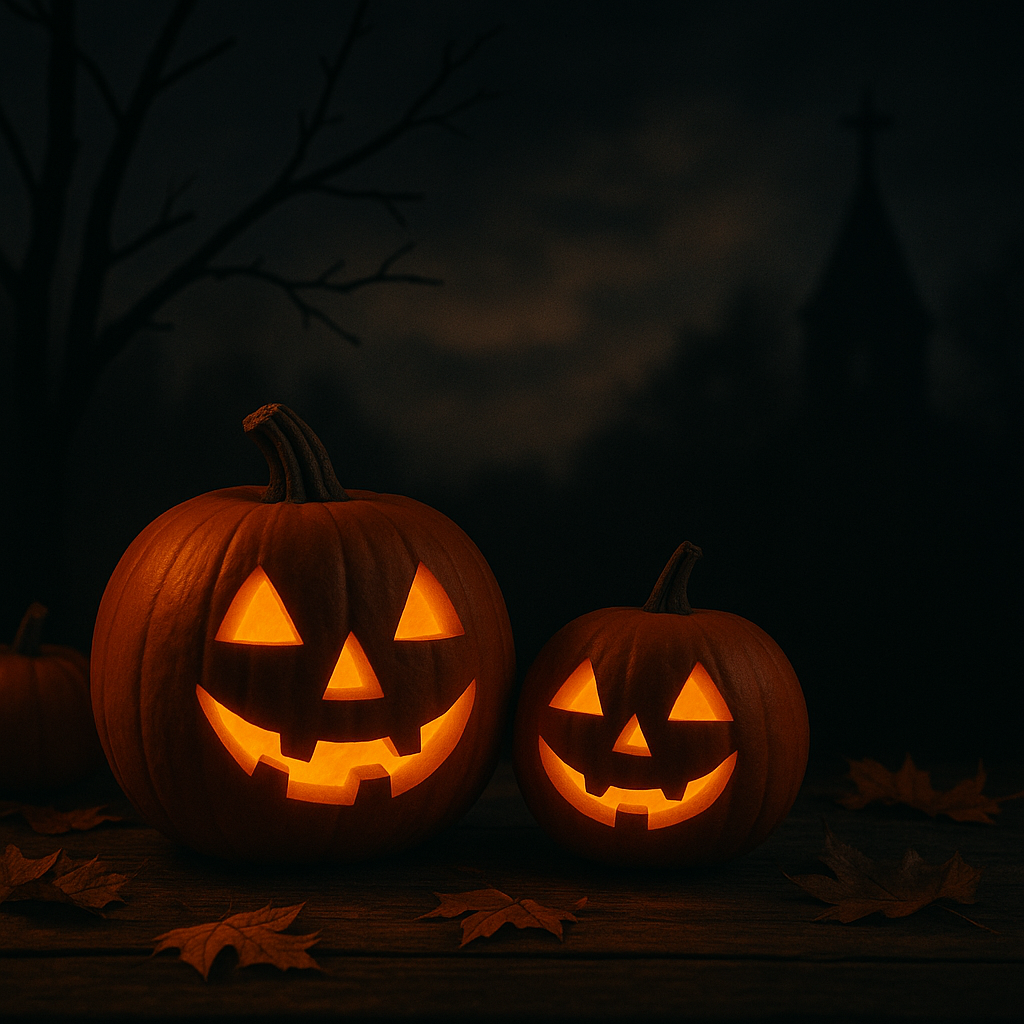
Halloween is also known as All Hallows’ Eve. The name comes from its place on the calendar: the evening before All Saints’ Day, a Christian observance on November 1. “Hallows” refers to saints or holy people, and “eve” means the night before. Over time, “All Hallows’ Eve” was shortened in common speech to “Hallowe’en” and eventually to the modern “Halloween.”
The holiday’s Christian association, however, is only part of its history. Its timing was also shaped by the Celtic festival of Samhain, which marked the end of harvest and the beginning of winter. Samhain traditions blended with the church calendar when Christianity spread across Europe, giving the celebration both religious and folk roots.
Other regional names have existed as well. In parts of Ireland and Scotland, it was sometimes called Oíche Shamhna (Samhain Night) in Gaelic. In England, the days around it were known as Hallowtide, referring to the three-day observance of All Hallows’ Eve, All Saints’ Day, and All Souls’ Day.
Today, “Halloween” is the most widely used name, but “All Hallows’ Eve” remains a reminder of its connection to both Christian observances and older seasonal rites. The different names reflect how the holiday has carried layers of meaning through history—religious, cultural, and seasonal—all converging on October 31.



Leave a Reply